Furry: The Friendly Handwritten Font for Your Creative Projects
My craft table is a mess, and I love it. Right now, I’m surrounded by mockups for a new line of soy candles. On my screen, I’ve been cycling through fonts for the label design, trying to find the one—the typeface that doesn’t just say “Vanilla Cream” but whispers it with a smile. After testing a dozen options, I pasted the phrase in Furry, and something clicked. The label instantly felt warmer, more inviting, like a personal note attached to a gift. That’s the magic of this font. It’ wouldn’t look out of place on a jar of homemade jam or a child’s birthday invitation; it has that universal, heartwarming appeal.
The Personality Behind the Letters
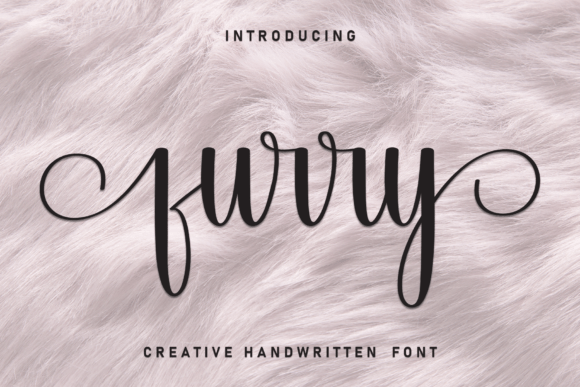
So, what exactly is Furry? It’s a handwritten display font, but that description feels too technical for its personality. Visually, it’s the embodiment of approachable charm. The letters are soft and rounded, with a gentle bounce that feels both playful and sincere. There’s no harshness here—every curve is friendly, every connection feels natural. It’s not a formal script; it’s the handwriting you’d use on a gift tag for a close friend. This makes it a phenomenal tool for anyone creating products where emotion and personal touch are key selling points. The mood it sets is one of sweet, unfussy, and genuine creativity.
Bringing Products to Life with Furry
From that candle label mockup, my mind raced to all the other projects waiting in my studio. Furry isn’t a one-trick pony. Its versatility for tangible, real-world products is remarkable. Here’s how it’s been coming to life in my own work:
- Packaging & Labels: Beyond candles, it’s perfect for minimalist sticker labels on honey jars, bath salt bags, and ceramic mugs. It turns a simple “Thank You” on a package into a meaningful gesture.
- Stationery & Invitations: I used it for a set of spring greeting cards, and the recipient texted me saying they looked “hand-penned.” For wedding welcome signs or seating charts, it adds that soft, romantic touch without being overly formal.
- Wall Art & Printables: As a printable quote for a farmhouse-style kitchen, Furry gives the words a lived-in, comforting feel. It works beautifully for planner cover pages and habit trackers where you want a motivating, gentle nudge.
- Apparel & Merchandise: I’ve tested it on tote bag and t-shirt designs. For short, impactful phrases like “Gather” or “Create,” it adds a handmade aesthetic that resonates deeply with customers.
- Shop Branding: Using it consistently for your shop logo, social media graphics, and section headers creates a cohesive, recognizable brand identity that feels personal and trustworthy.
Readability and Practical Use for Makers
A beautiful font is useless if it doesn’t work. For crafters and sellers, functionality is everything. Here’s my hands-on advice for using Furry effectively:
Because it’s a display font, its superpower is in short, impactful text. Think product names, main headlines, key phrases, and decorative wording. It’s ideal for:
- Candle scent titles (like “Cedar & Sage”)
- The main names on wedding invitations
- Quotes on wall art prints
- Pricing on boutique hang tags
- Welcome text on a chalkboard-style sign
For longer paragraphs (like product descriptions on the back of a card or care instructions), I always pair it with a clean, highly legible sans-serif font. This combination is crucial: Furry draws the eye and establishes the mood, while the simpler font does the heavy lifting of delivering information clearly. For cutting machines like Cricut or Silhouette, ensure your text is large enough for the weeding process—detailed scripts can be tricky at very small sizes. Always print a test on your actual label paper or sticker sheet before a full production run.
Checking the Technical Details
Before incorporating any font into products you plan to sell, due diligence is a must. For Furry, and any font in the Script Amp category, I always check a few key things:
- Licensing: Confirm the license allows for commercial use for physical products, merchandise, and digital downloads (like editable templates). This is non-negotiable.
- File Formats: Having both OTF and TTF files ensures compatibility with most design software, from Adobe Illustrator to Canva and Silhouette Studio.
- Character Set: Check for multilingual support if your market requires it, and look for alternate characters, ligatures, or swashes. These extras can add wonderful variation, preventing repetitive looks in longer words or names.
- Style & Weight: Does it come in a single weight, or are there bold or light versions? Understanding this helps plan hierarchy in your designs.
Treating fonts as serious design assets protects your business and elevates your final product. A well-chosen, properly licensed typeface like Furry directly influences perceived quality. It tells your customer that care went into every detail, from the product itself to its presentation.
From Screen to Hand: A Story in Every Curve
The true test of a font happens when the design leaves the screen. I remember printing a batch of stickers for my planner shop using Furry for the header words. On-screen, they looked lovely. On the matte vinyl, held in my hand, they felt special. There’s a tangible warmth that happens when this particular style of handwriting is rendered physically. It bridges the digital creation process and the handmade product world perfectly. Whether it’s peeking out from under a shrink wrap on a candle, standing proudly on a wooden sign at a craft fair, or arriving in a customer’s inbox as a downloadable art print, Furry carries that same consistent, charming personality. It becomes more than a font; it becomes a quiet co-creator in telling your product’s story.